


Timber Blog
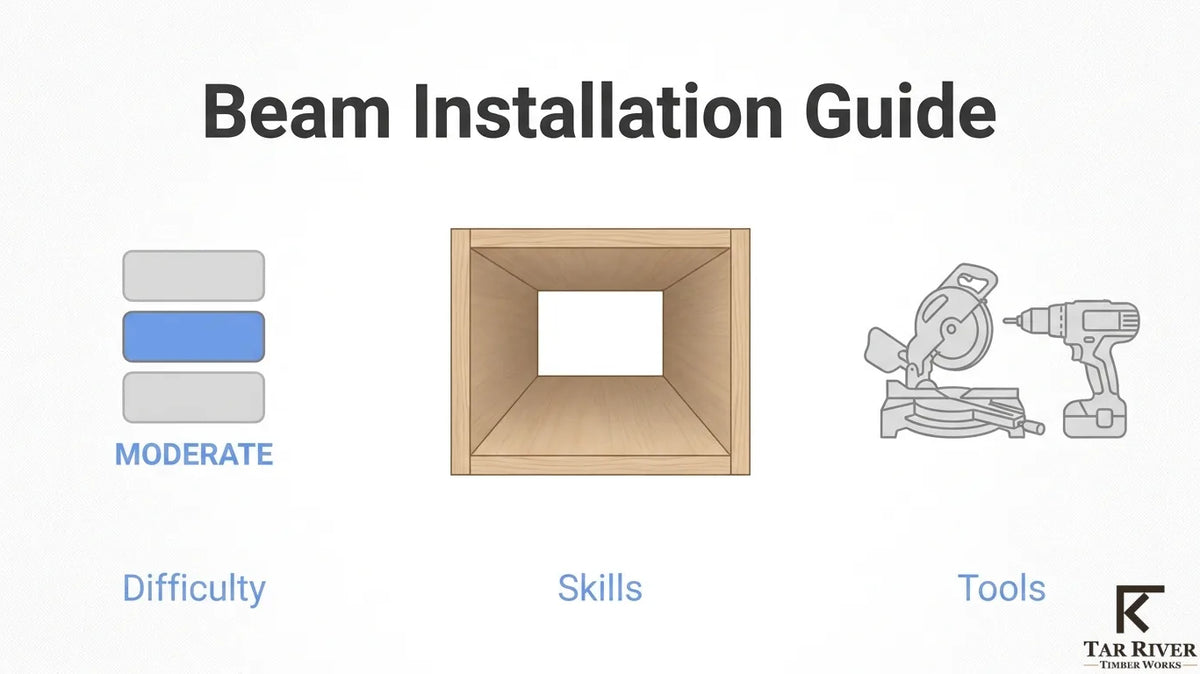
How to Install Decorative Beams: 5 Steps & DIY Tips
Decorative beams are non-structural architectural elements designed to mimic the appearance of solid timber rafters or joists. They add visual depth and warmth to ceilings without carrying any structural load,...
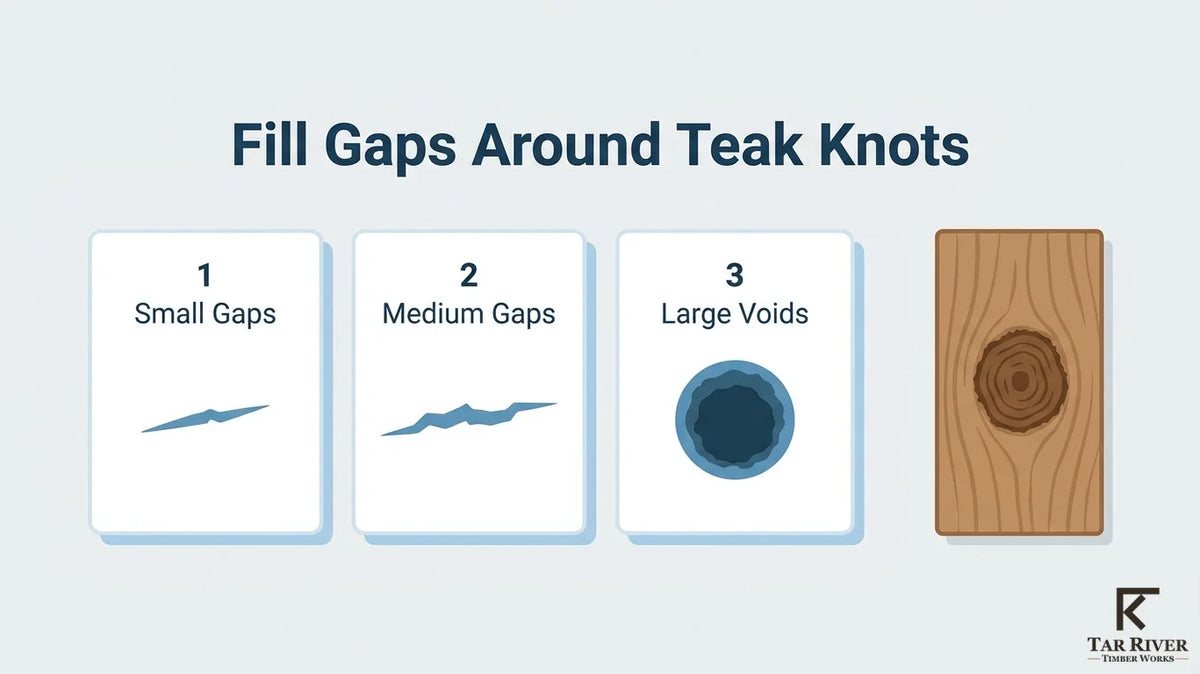
Teak Knot Gap Repair: Fill Small, Medium & Large Voids
Filling gaps around knots in teak is a size-dependent repair process: small gaps suit caulk or sawdust-based fillers, medium gaps require flexible epoxy mixtures, and large or deep voids need...
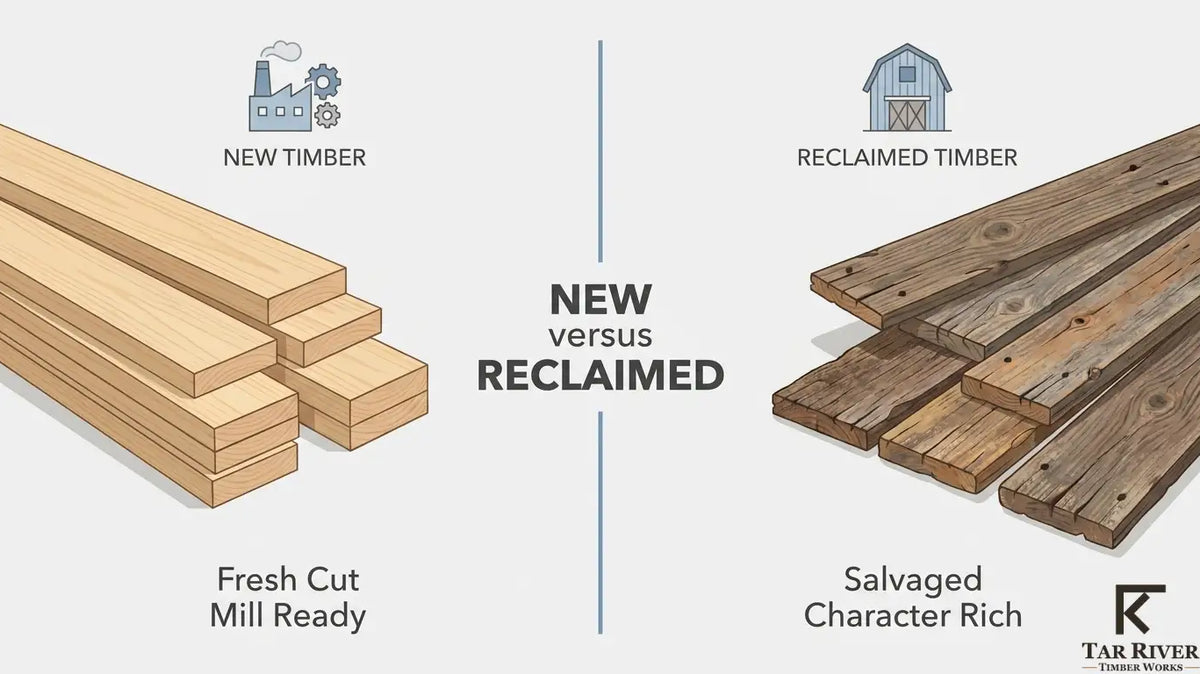
New Timber vs Reclaimed Timber: Cost, Strength & Uses
New timber is freshly harvested, mill-processed wood graded for predictable structural performance. Reclaimed timber is wood salvaged from previously built structures, repurposed for new construction or decorative applications, and valued...

Benefits of Wood for Outdoor Screens: Durability & Style
Wood is the most versatile structural and aesthetic material available for outdoor privacy screens, offering natural insulation, species-specific durability, and a design range that vinyl and metal cannot replicate. This...
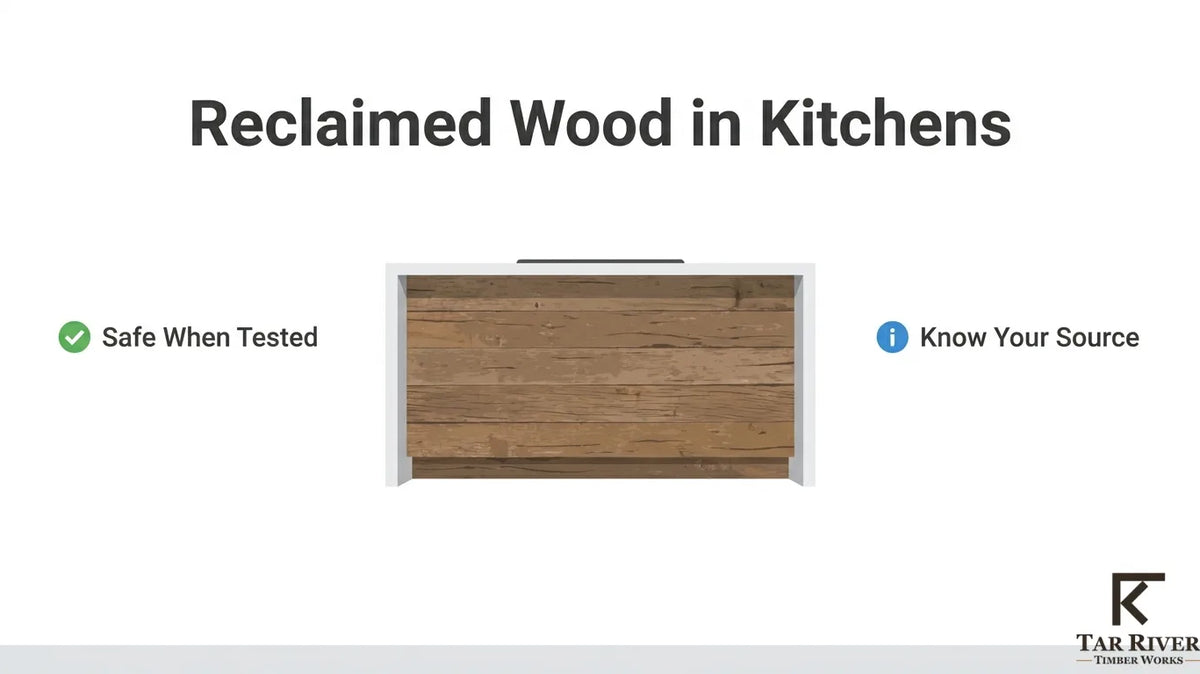
Reclaimed Wood for Kitchens: Safety, Testing & Prep
Reclaimed wood is timber salvaged from structures such as old buildings, barns, and bridges, repurposed into new applications after its original service life ends. Whether it is safe for kitchen...
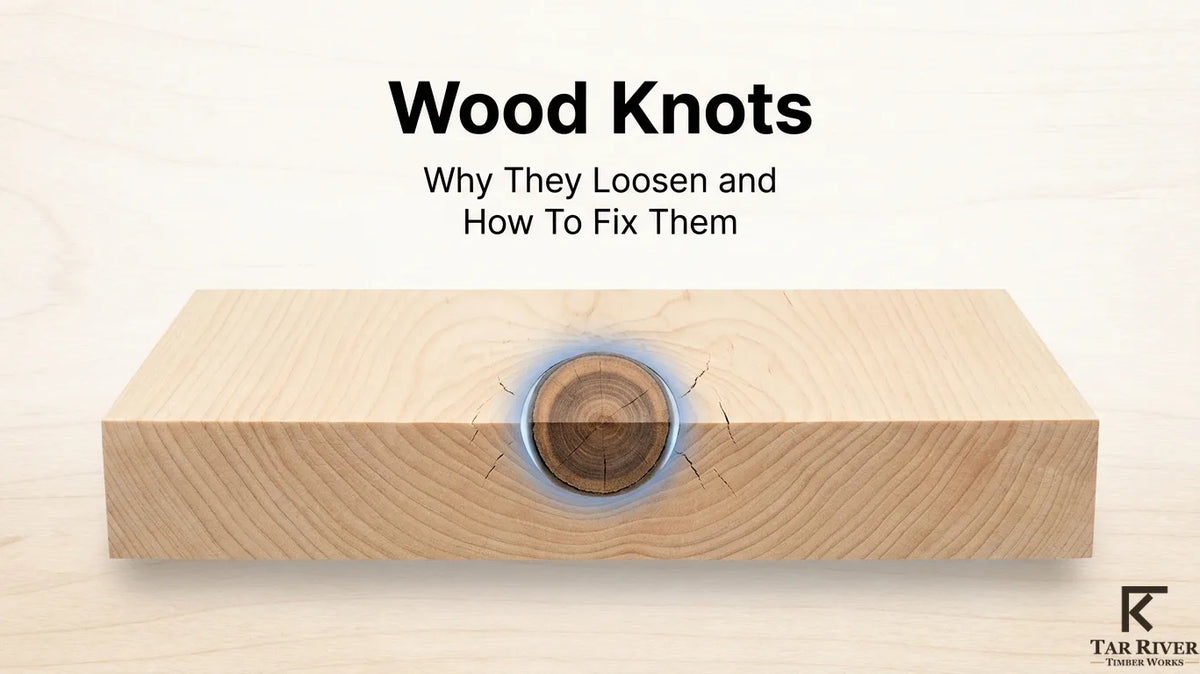
Why Do Wood Knots Come Loose? Causes & Fixes
A wood knot forms where a branch was once embedded in a tree trunk and cut through during milling. Whether that knot stays in place or eventually falls out depends...

Factors Affecting Wood Quality: Species, Drying & Defects
Wood quality is determined by a combination of biological, environmental, and processing variables that collectively govern how lumber performs in structural and aesthetic applications. This guide covers species selection and...

How Is Wood Strength Measured? Tests, Ratings & Standards
Wood strength is a material's capacity to resist mechanical forces, including compression, tension, bending, and shear, without structural failure. Because wood is an orthotropic material with distinct mechanical properties along...
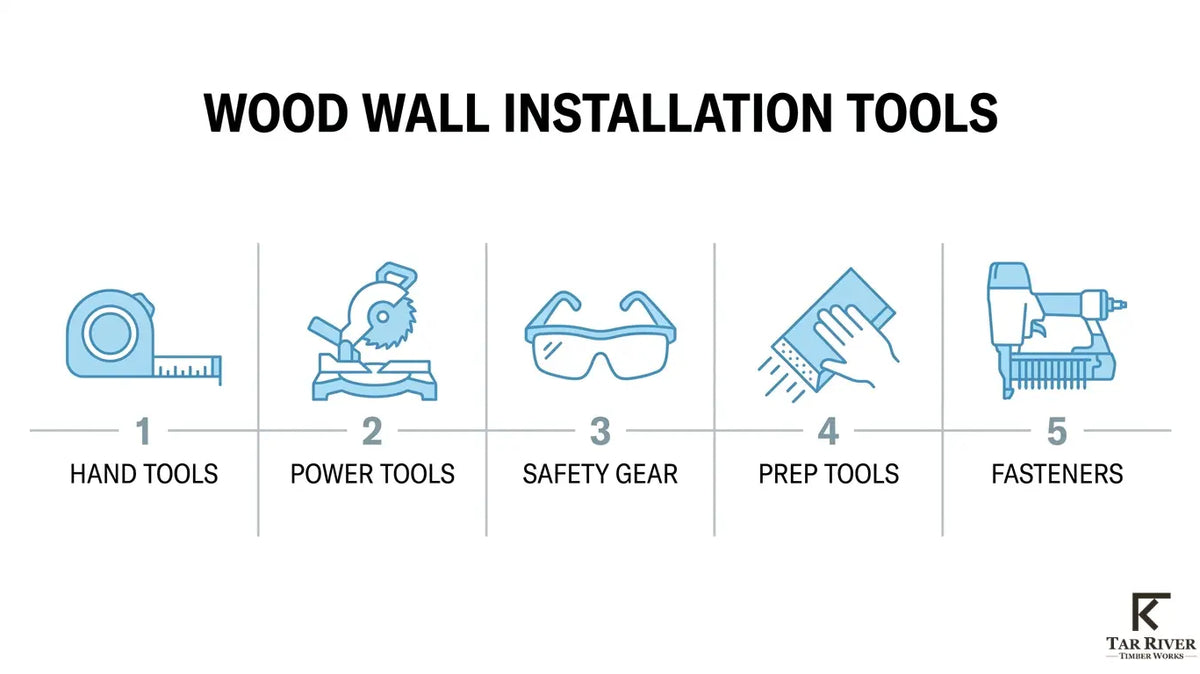
How to Install a Wood Wall: Required Tools & Steps
Wood wall installation requires a specific set of hand tools, power tools, safety equipment, and specialized measuring instruments working together to produce accurate, professional results. This guide covers the essential...
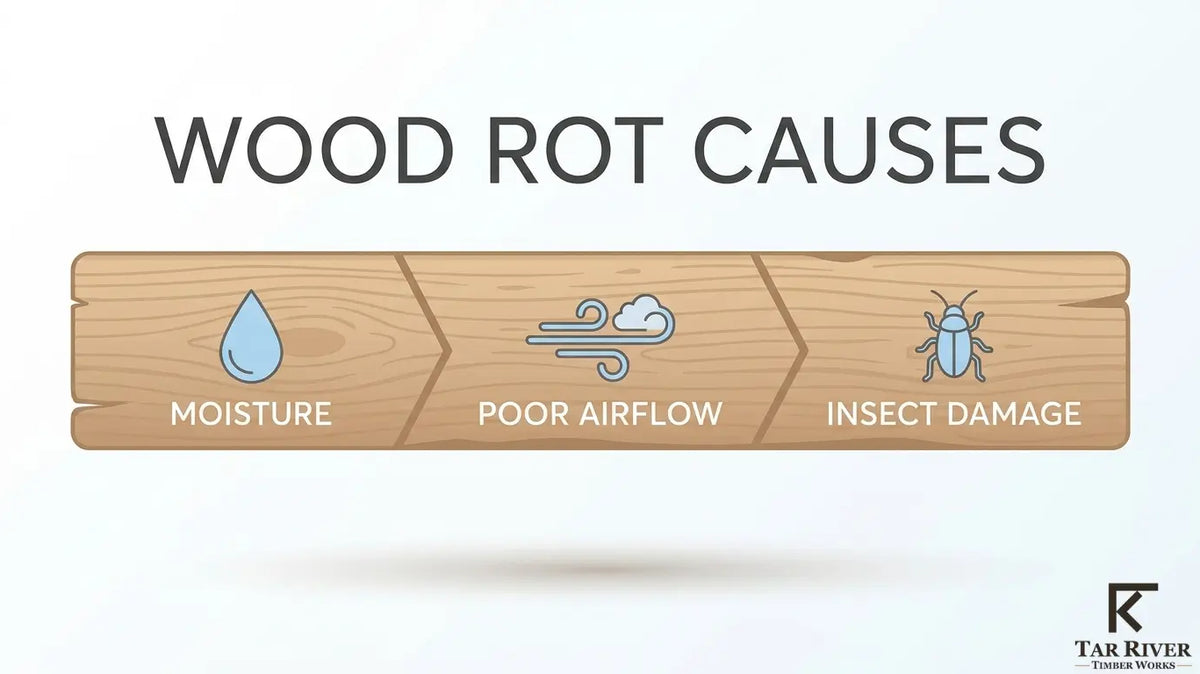
What Causes Wood Rot? Types, Signs & Prevention
Wood rot is a fungal decay process that breaks down the structural components of timber when moisture levels remain elevated long enough for decay fungi to establish and spread. It...
How to Prepare Teak for Weather: Clean, Sand & Seal
Preparing teak for weather is the process of cleaning, sanding, and applying a protective finish to teak wood before it faces sustained outdoor exposure, ensuring the surface absorbs and bonds...
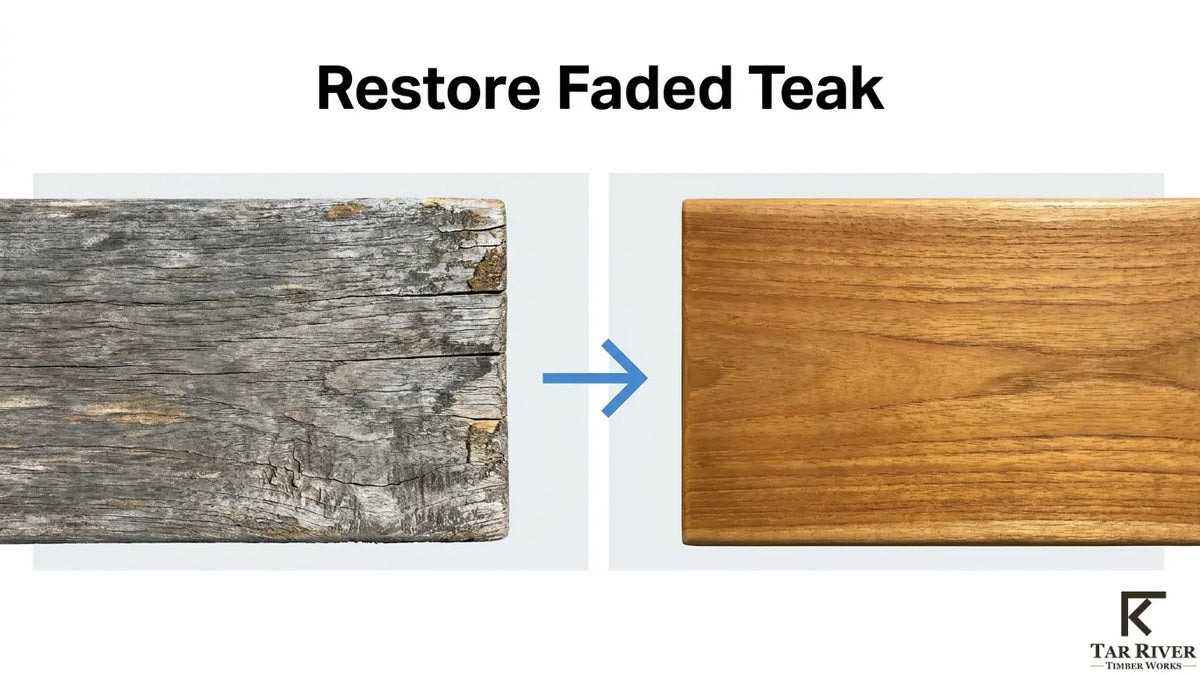
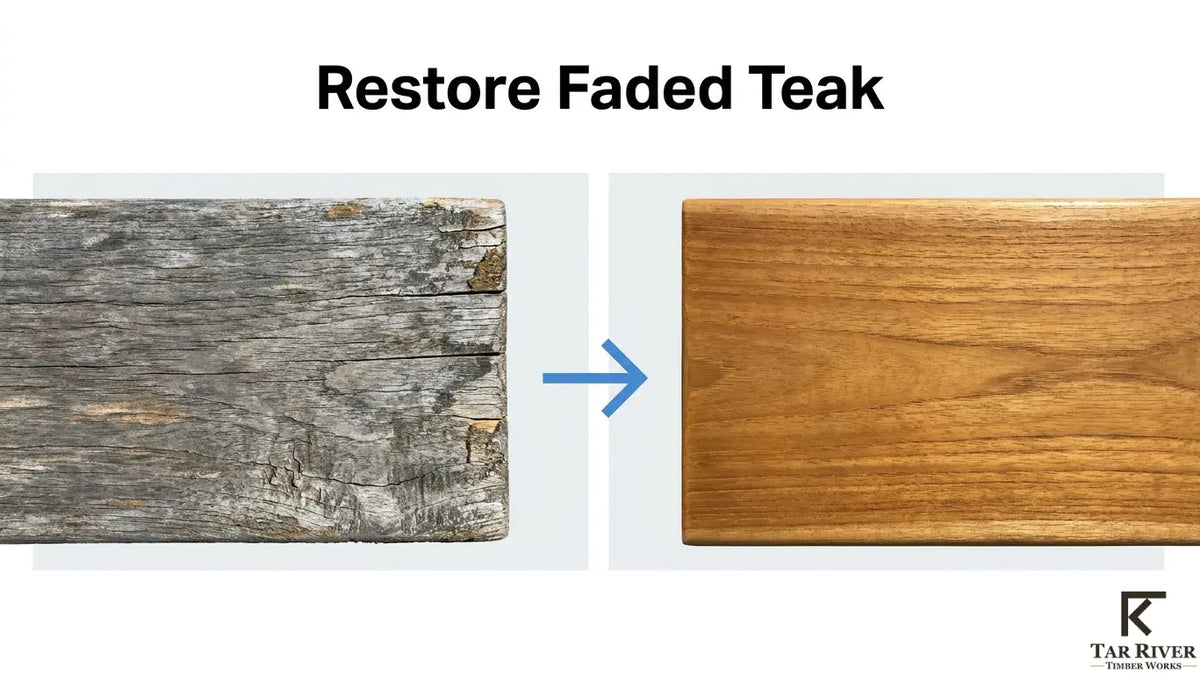
How to Restore Faded Teak Wood: Clean, Sand & Protect
Restoring faded teak wood accents is the process of removing UV-degraded surface layers, cleaning embedded contaminants, and applying a penetrating finish to return the wood's natural honey-brown color and slow...

