


Timber Blog
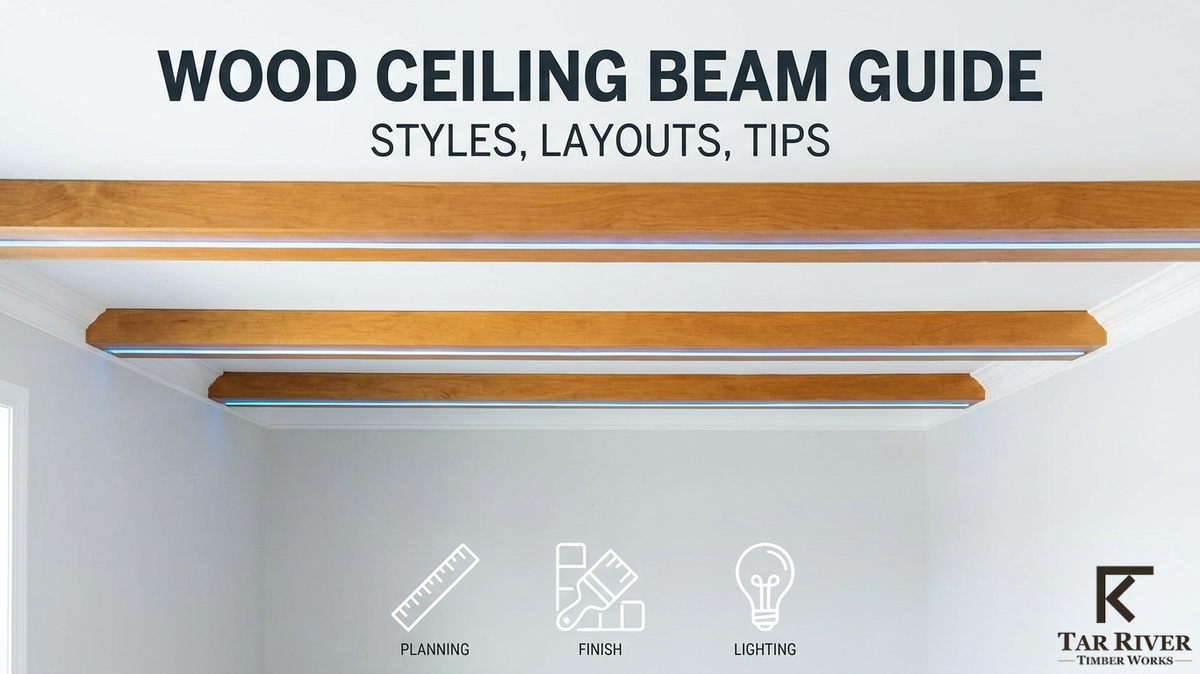
Wood Ceiling Beam Ideas: Styles, Layouts & Tips
Wood ceiling beams are exposed structural or decorative timber elements applied to interior and exterior ceilings to add architectural depth, visual warmth, and spatial definition that a plain flat ceiling...
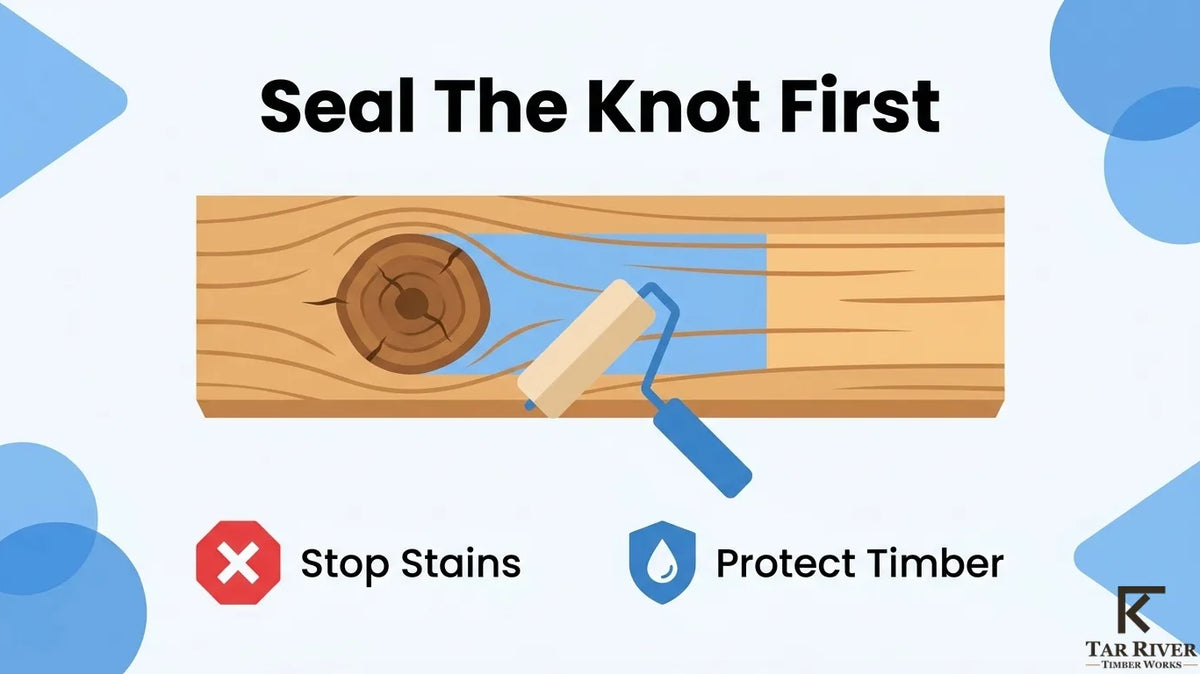
Best Knotting Primer for Timber Accents: Types & Tips
A knotting primer for timber accents is a specialized coating formulated to seal knots, resin pockets, and extractive-rich grain before primer and topcoat systems are applied. Without it, polar and...
Are Faux Beams Suitable for Walls?
Faux beams are non-load-bearing decorative elements designed to replicate the appearance of structural timber without carrying any building loads. They come in several distinct material types, including polyurethane foam, MDF,...
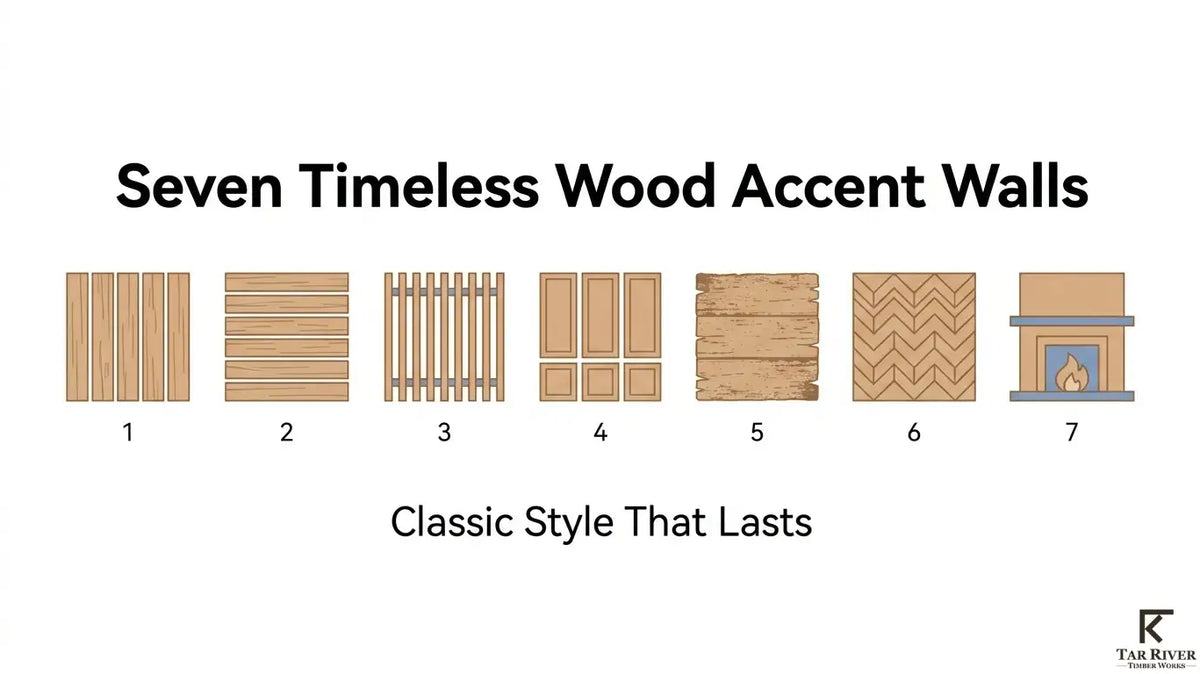
7 Wood Accent Wall Ideas With Timeless Appeal
A wood accent wall is a deliberate architectural surface, one wall treated with natural wood planks, panels, or slats to introduce texture, warmth, and visual structure that paint and wallpaper...

Is Douglas Fir a Soft or a Hardwood?
Douglas fir is botanically classified as a softwood. As a gymnosperm conifer, its seeds are not enclosed in a flower ovary and its cellular structure lacks the vessel elements that...
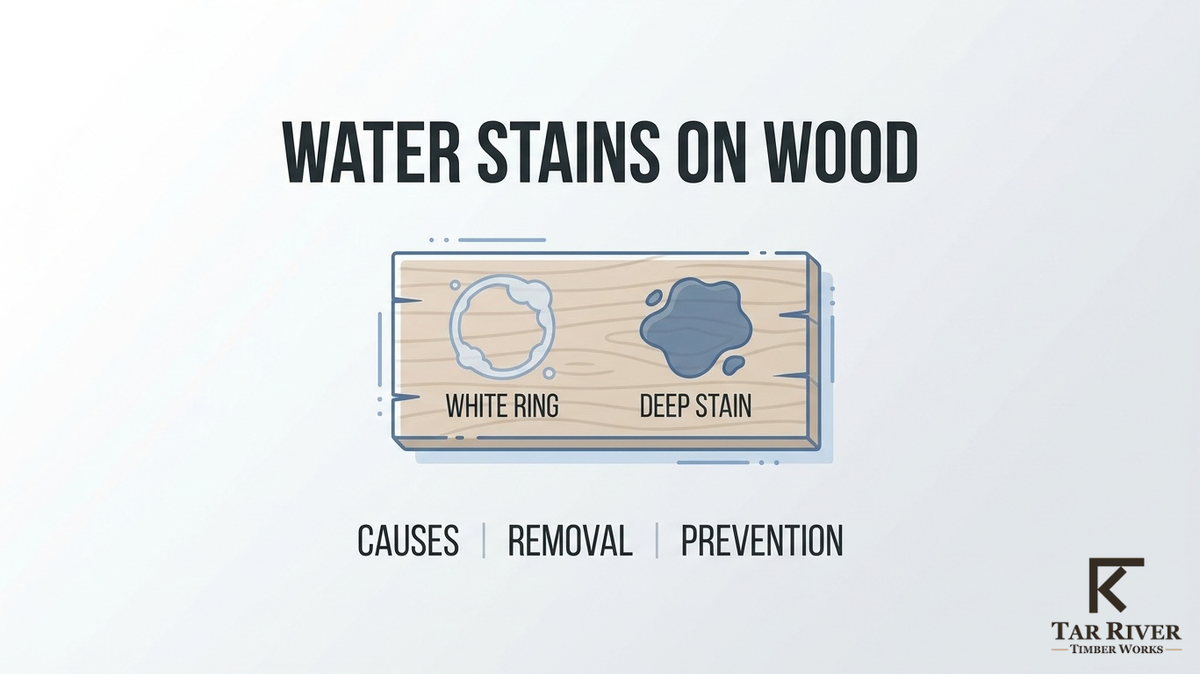
How to Remove Water Stains from Wood: A Complete Guide
Removing water stains from wood means matching the right treatment to the right stain, because a white ring trapped in varnish and a black iron-tannin mark in bare fiber require...
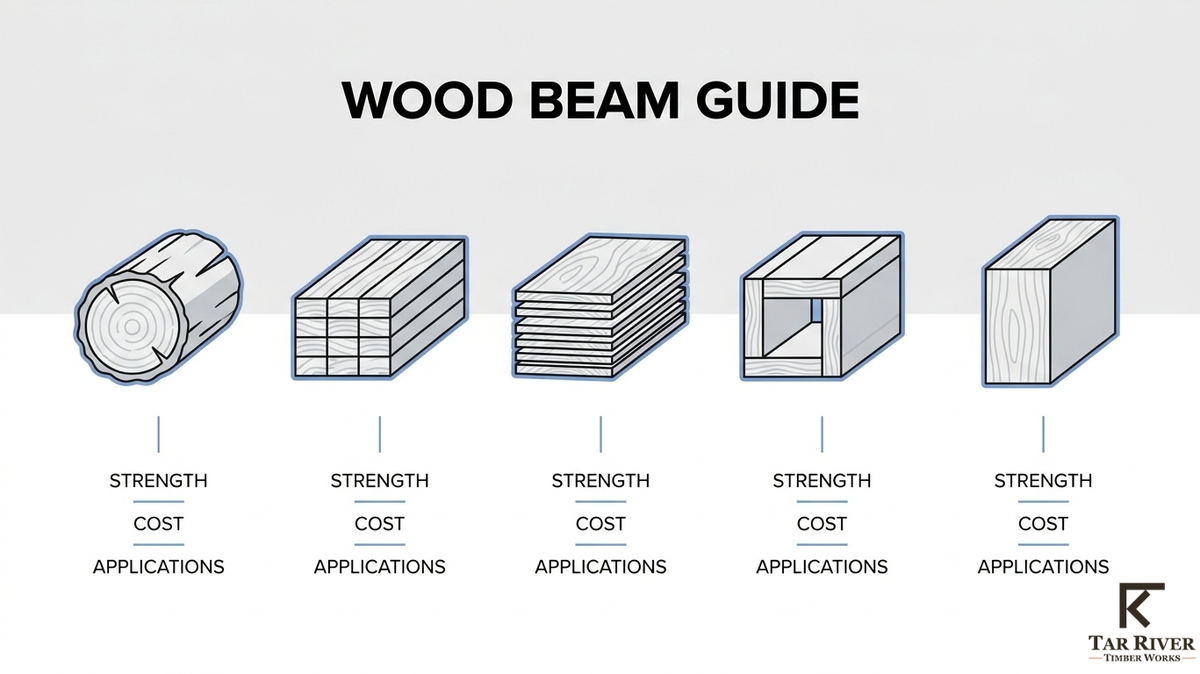
Best Wood Beam Types: Strength, Cost & Applications Guide
Wood beams are structural or decorative members selected based on species, product type, and exposure conditions. The right beam for any project depends on load requirements, climate, budget, and whether...
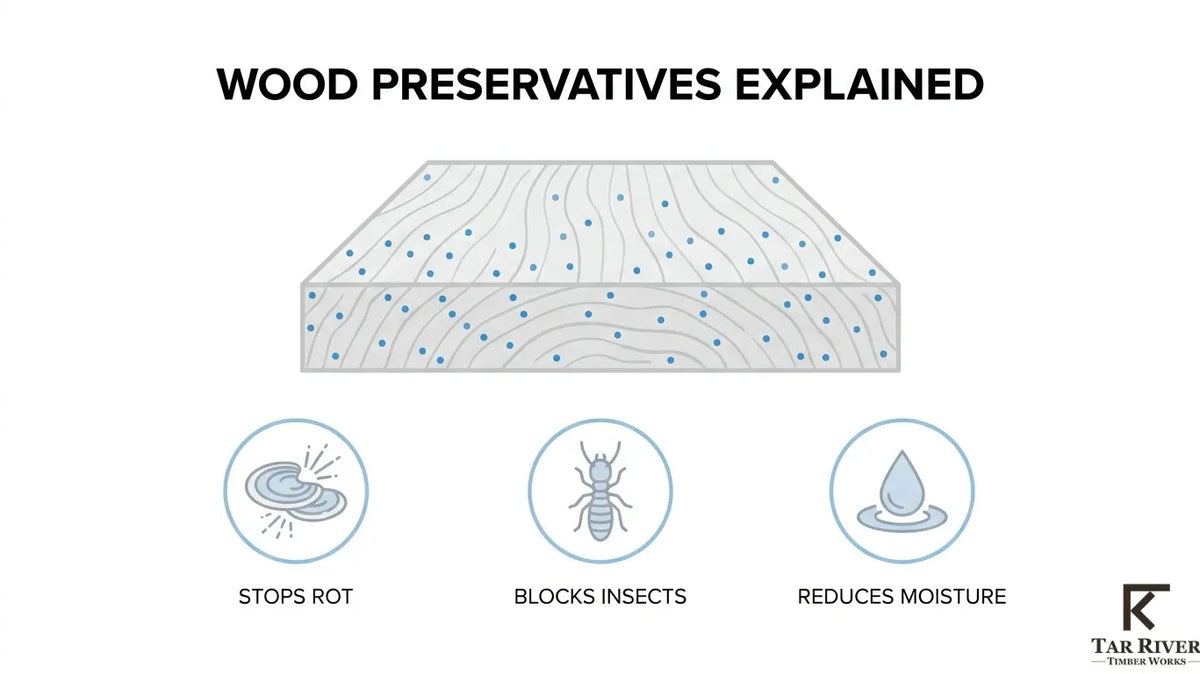
How Do Wood Preservatives Work: Complete Guide
Wood preservatives are chemical compounds introduced into timber's cellular structure to prevent biological degradation from fungi, insects, moisture, and mold. Unlike surface coatings, they work from within the wood fiber...
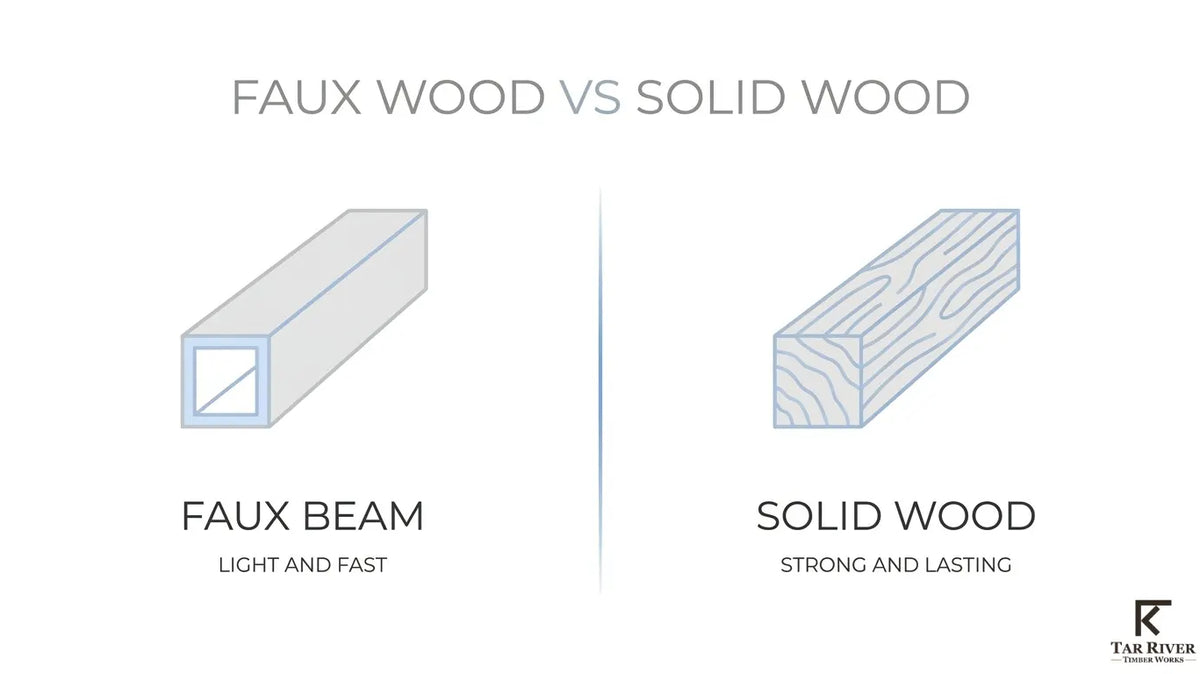
Are Faux Wood Beams Better Than Solid Wood Beams?
Faux wood beams are decorative architectural elements manufactured from molded polyurethane foam, while solid wood beams are structural or decorative members milled from natural timber species such as Western Red...
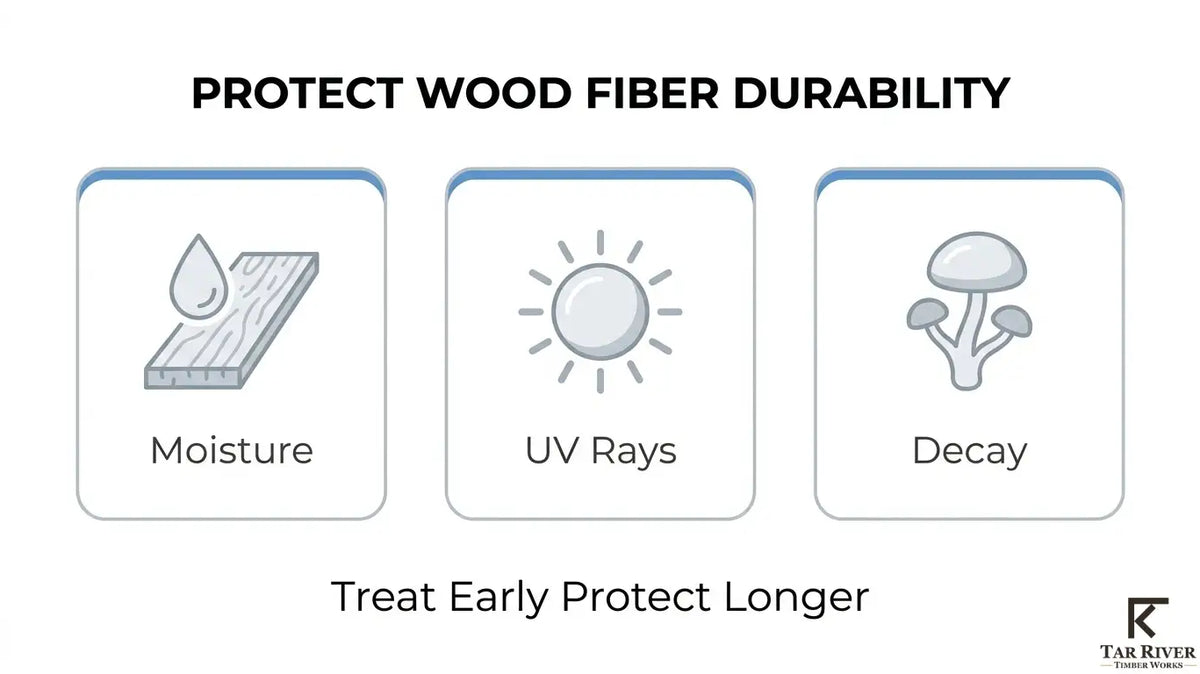
Treatments to Improve Wood Fiber Durability: Care Guide
Wood fiber durability is a wood's capacity to resist the physical, chemical, and biological forces that cause structural breakdown over time. Without the right species selection and protective treatments, this...
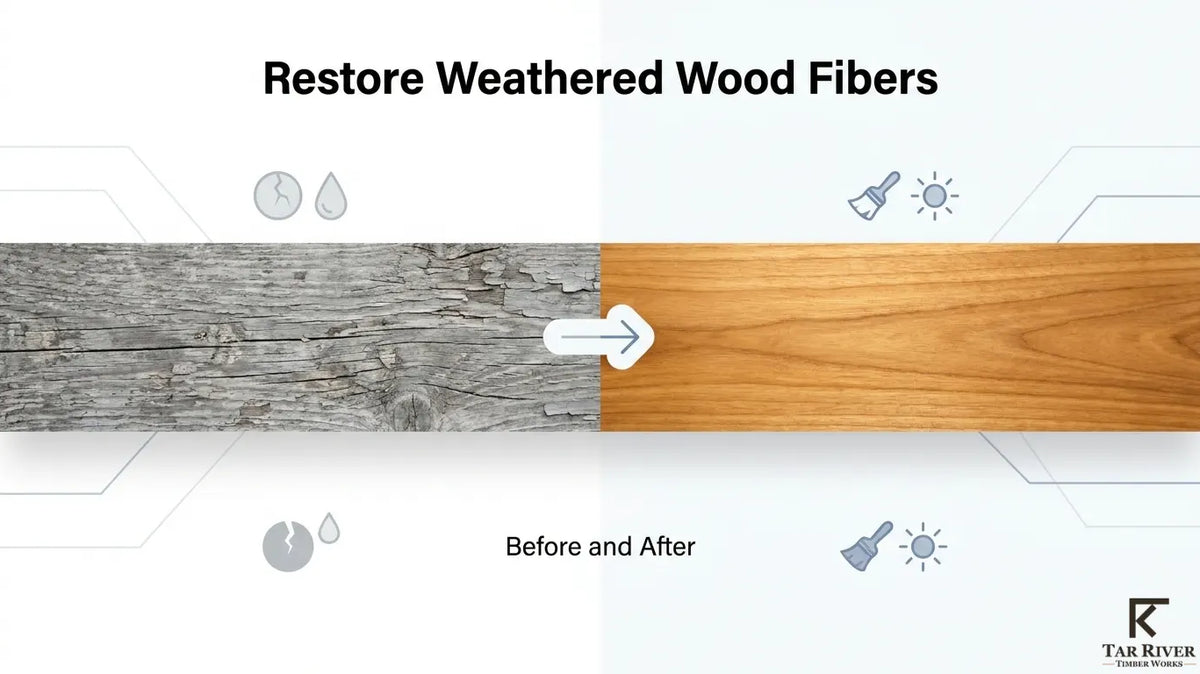
Tips for Restoring Wood Fibers on Weathered Timber Accents
Restoring wood fibers on weathered timber accents is the process of reversing UV photodegradation, moisture-cycling damage, and oxidation at the wood surface so that structural integrity and natural appearance are...
Do Wood Beams Require Upkeep? Maintenance Guide
Wood beams are horizontal structural elements that carry vertical loads from above and transfer them to supports such as walls, columns, or foundations. Yes, they require upkeep, and how much...

