


Timber Blog
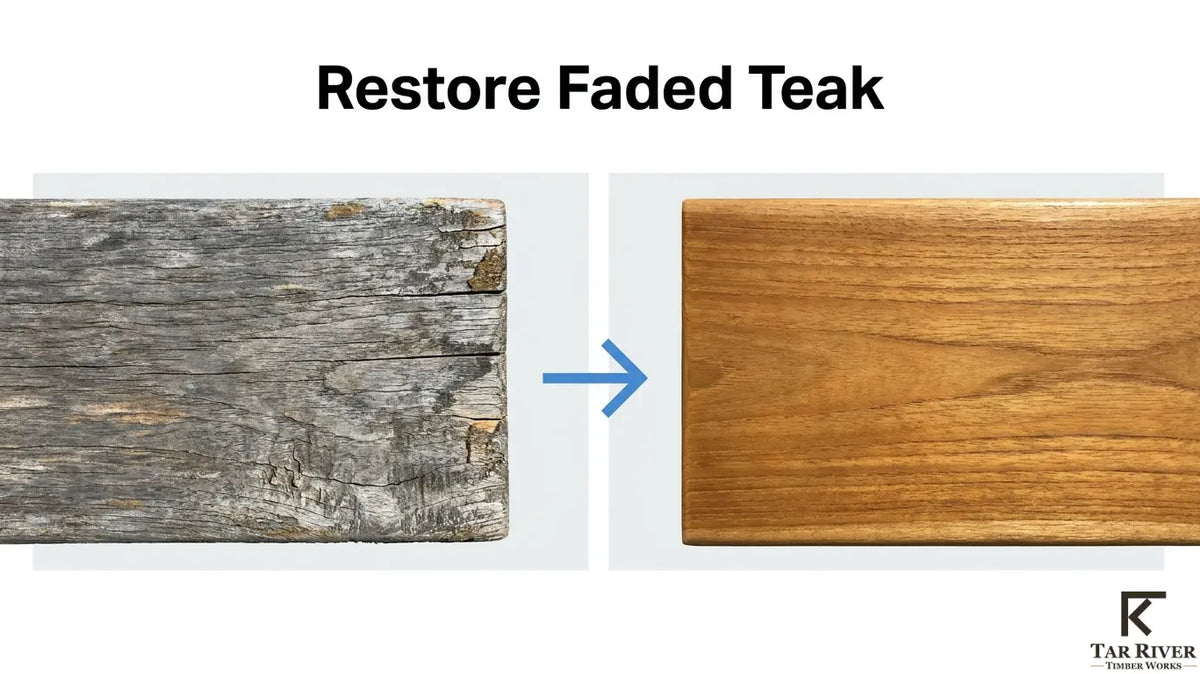
How to Restore Faded Teak Wood: Clean, Sand & Protect
Restoring faded teak wood accents is the process of removing UV-degraded surface layers, cleaning embedded contaminants, and applying a penetrating finish to return the wood's natural honey-brown color and slow...

How to Inspect Timber for Rot: Step-by-Step Guide
Timber rot is the progressive breakdown of wood fiber caused by fungal decay, which becomes active when moisture content rises above 20% and reaches peak destructive conditions at 30% or...
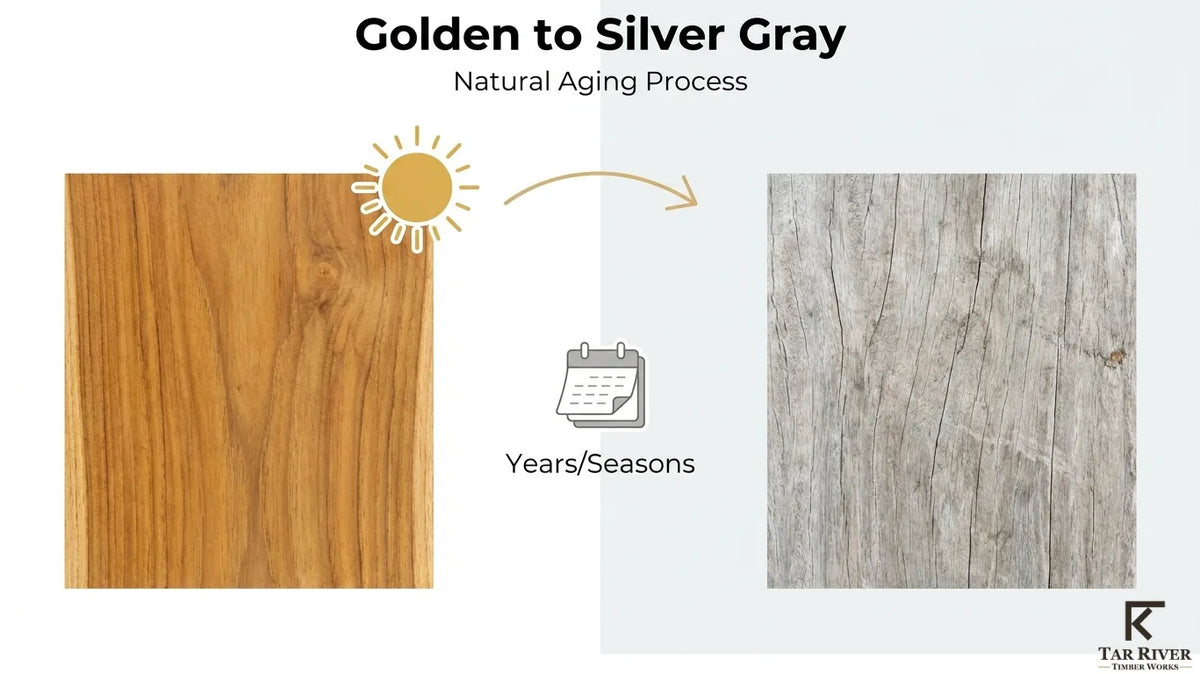
How Does Teak Wood Change Color Over Time: Your Guide
Teak wood changes color through a chemistry-driven aging process, shifting from warm golden-brown to silver-gray as UV radiation, moisture, and the wood's own extractive compounds interact over months and years....

Wood Fiber Durability: Density, Grain & Extractives
Wood fiber properties, specifically density, grain orientation, fiber bond strength, and natural extractive content, are the primary determinants of how a timber accent performs over time. These characteristics govern how...
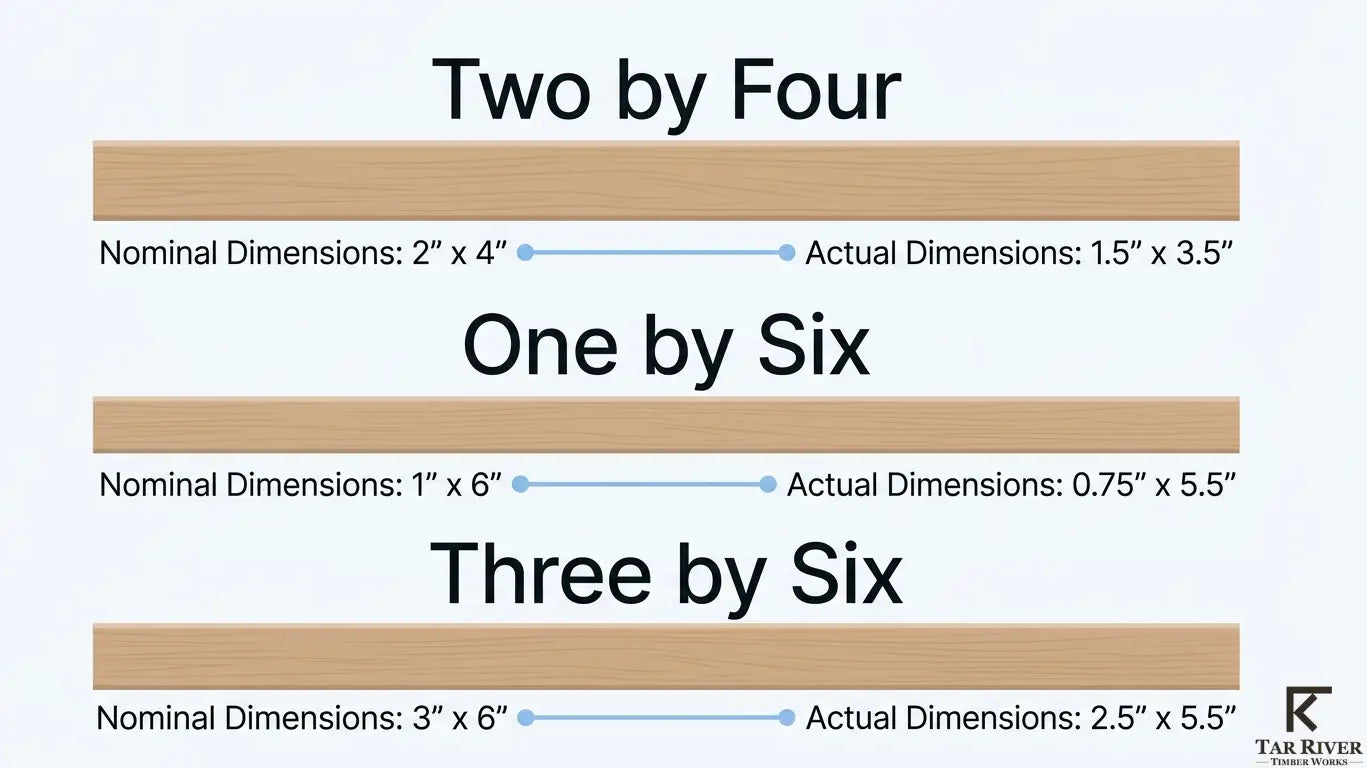
What Are Standard Wood Plank Sizes: Complete Guide
Standard wood plank sizes are the nominal and actual dimensions lumber mills, grading bodies, and building codes use to classify boards for construction, finish work, and specialty applications. Nominal labels...

Rot and Termite Resistant Wood for Decking Explained
Rot and termite resistant wood for decking refers to timber species whose heartwood contains naturally occurring extractives, including oils, tannins, resins, and polyphenols, that repel moisture, deter fungal decay, and...
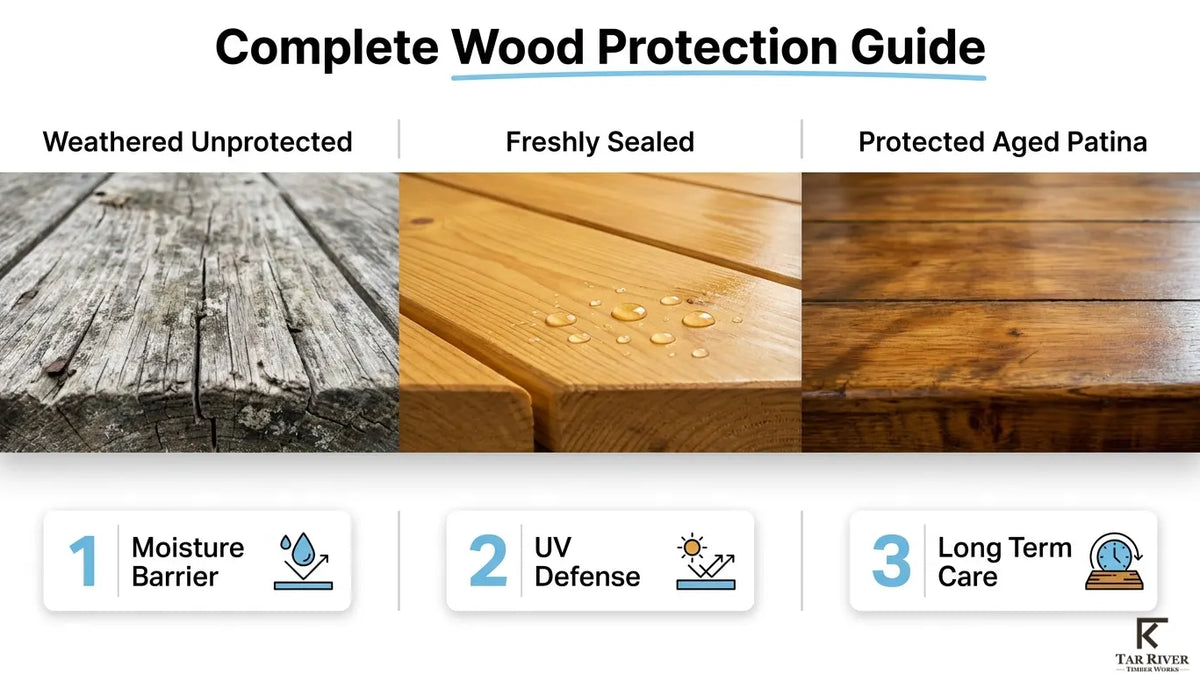
Wood Sealer Guide: Best Types for Lasting Protection
A wood sealer is a protective coating applied to wood surfaces that limits moisture absorption, filters UV radiation, resists mold, and defends against mechanical wear. Together, these mechanisms slow the...

Types of Interior Wood Trim: Styles, Materials & Uses
Interior wood trim is the collective term for the moldings, panels, and profiles installed at walls, ceilings, floors, and openings to finish raw transitions and add architectural character to a...
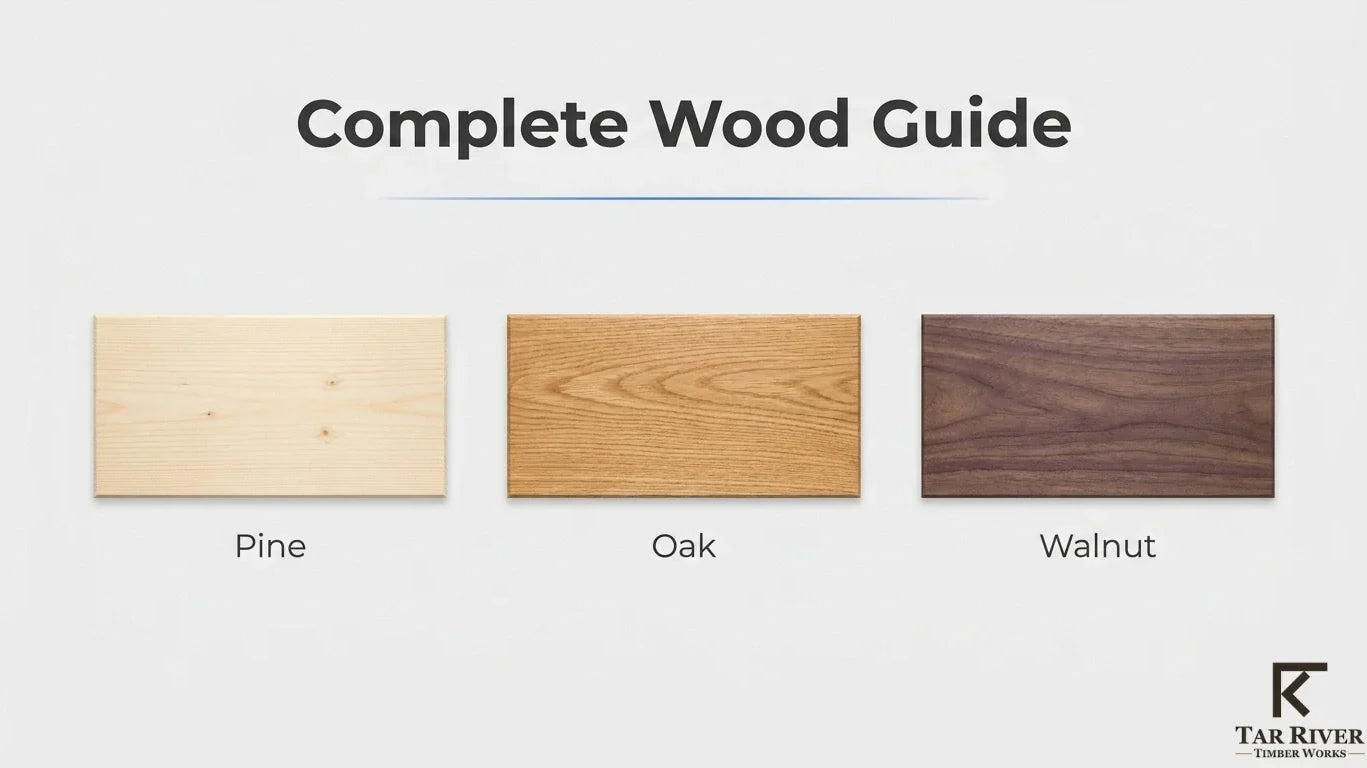
Types of Wood for Desks: Best Options by Use & Cost
Wood for desks falls into three broad categories: hardwood from deciduous trees, softwood from conifers, and engineered wood made from processed wood fiber or veneers. Each category carries distinct properties...
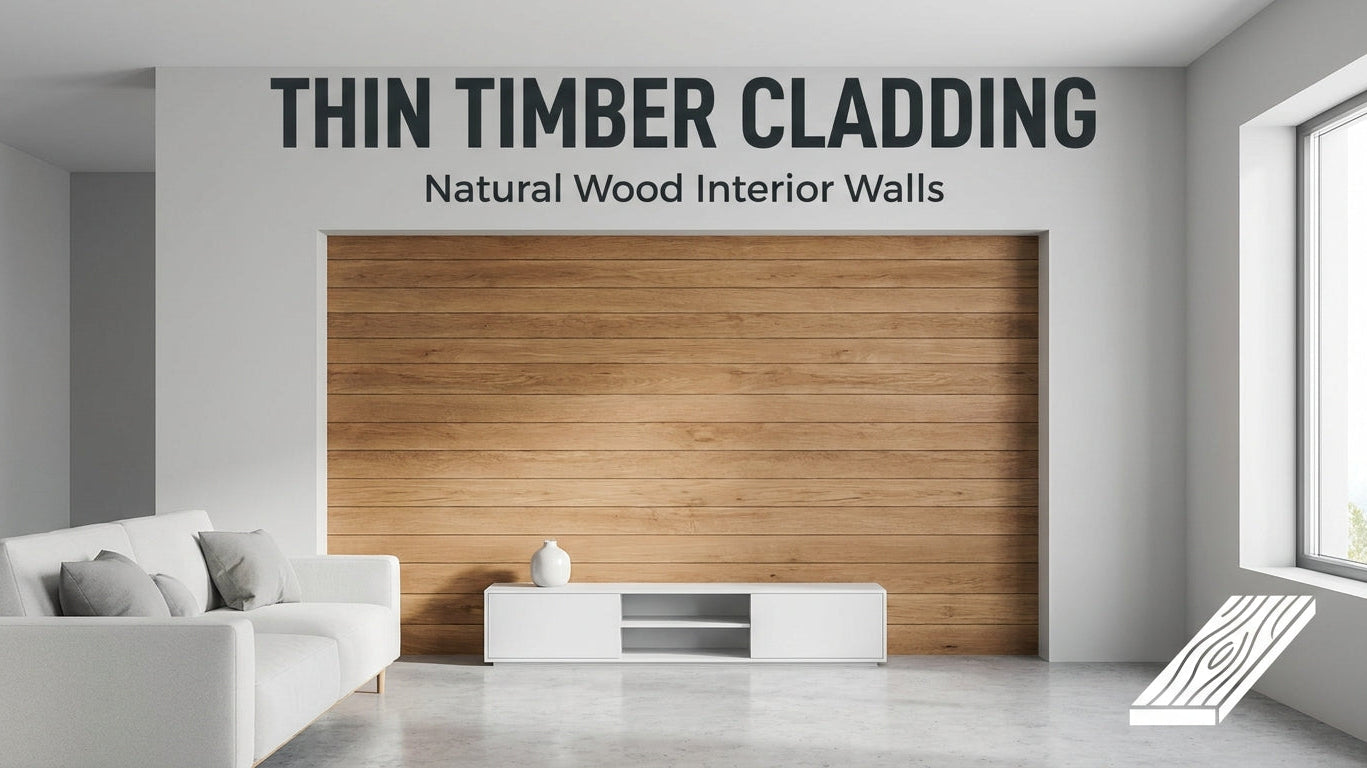
What Is Thin Timber Cladding for Interior Wood Walls?
Thin timber cladding for interior walls is a solid or engineered wood paneling system, typically 12mm to 25mm thick, applied directly to interior wall surfaces to add natural texture, warmth,...
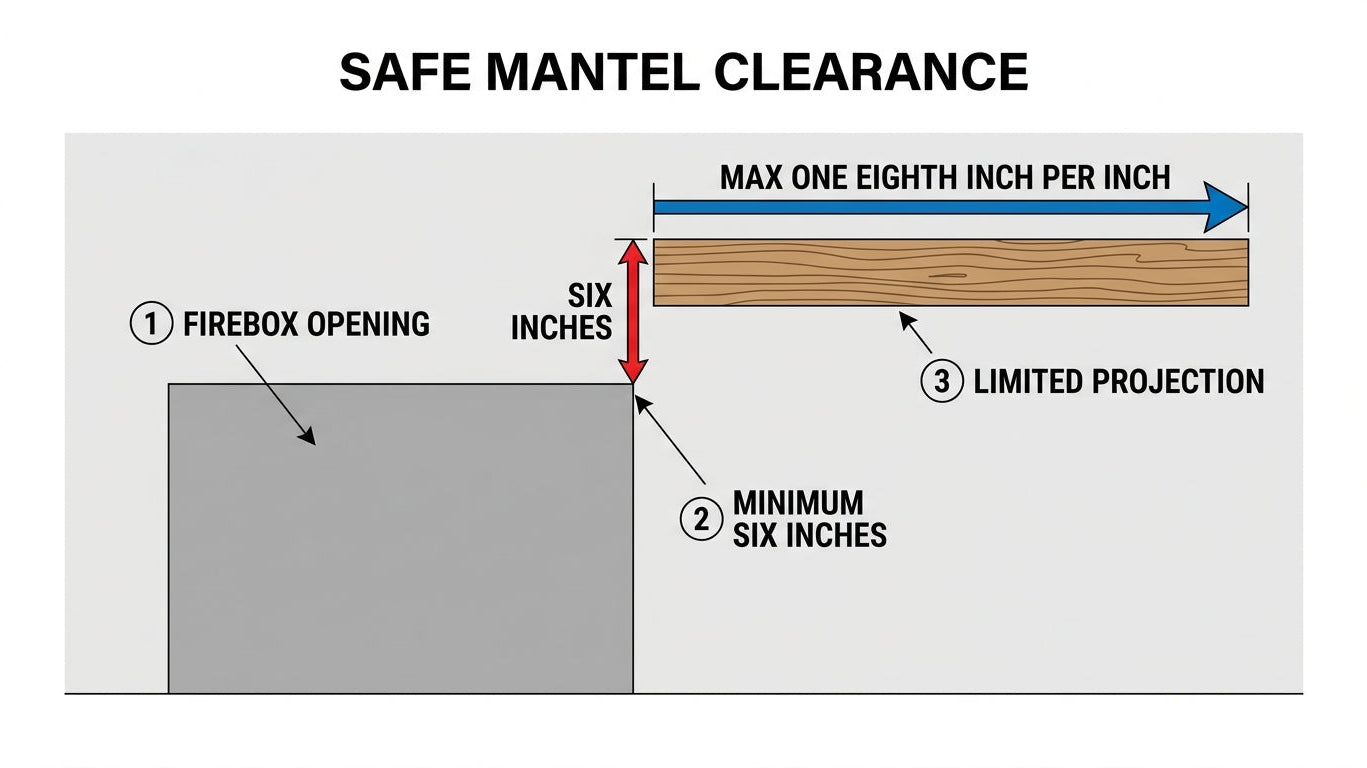
What Are the Best Fireplace Mantel Materials for 2026?
A fireplace mantel is the decorative surround assembly that frames a fireplace and provides a display shelf above it, serving both an architectural and functional role in any room. Even...
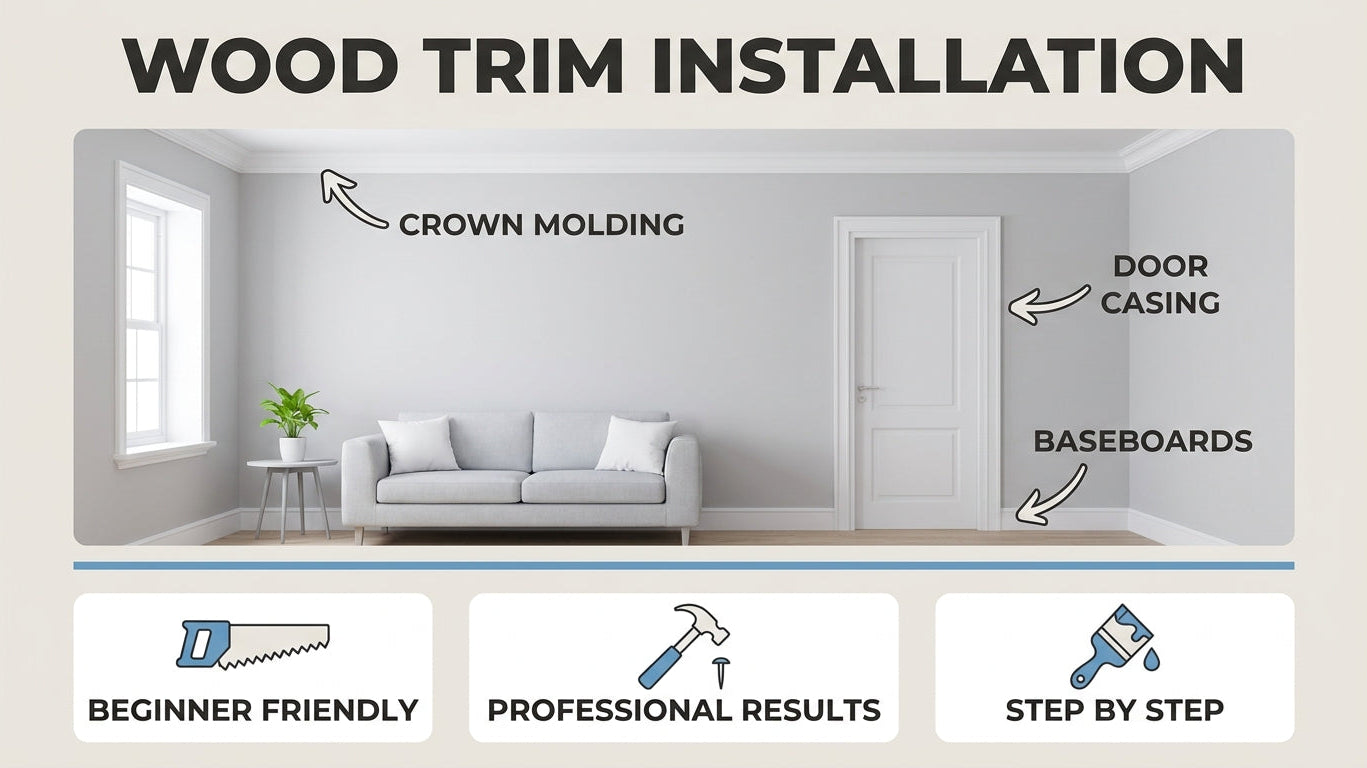
How Do You Install Wood Trim as a DIY Beginner?
Wood trim is the collective term for the decorative and functional woodwork applied at a room's transitions and edges, including baseboards, crown molding, casing, chair rail, and wainscoting. It serves...

