

FAQs
Which species of wood is best for my project?
We offer most of our products in western red cedar, Douglas fir and teak timbers. When selecting which wood is best for your project you should consider the following:
Color Considerations
Douglas Fir:
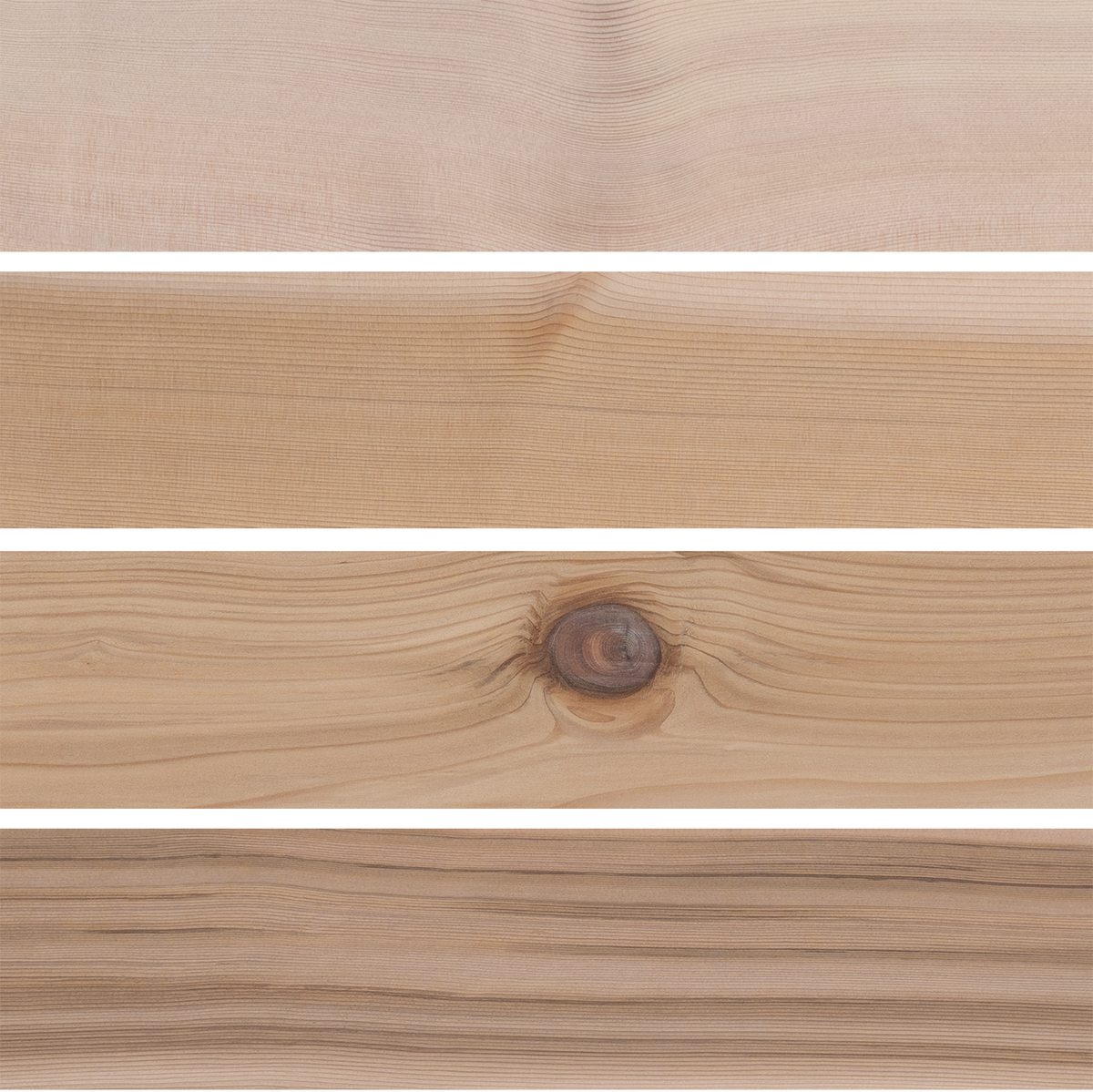
Douglas fir offers a soft pinkish-gold tone and a relatively uniform appearance, making it a great option for projects that call for consistency. Its subtle color works especially well in settings where architectural clarity and restraint are part of the design intent.
The heartwood of Douglas Fir ranges from a light rosy brown to a pale yellow orange, often with a pinkish or reddish cast that gives it a distinctive warmth. Sapwood is usually lighter in tone but blends smoothly with the heartwood, contributing to an overall uniform appearance. It has a tight, straight grain with occasional subtle patterns caused by growth ring density. The texture is medium to coarse, and while not highly lustrous, it takes finishes well and can be polished to a soft sheen.

Teak:
Teak is prized for a combination of reasons: hardness, durability, rot resistance and unique appearance. Freshly milled teak can range from a pale yellow brown to a deep, warm brown, sometimes with a slight reddish or orange hue. Over time, if left unfinished and exposed to sunlight, teak will naturally weather to a silvery gray patina. It typically has a straight grain, though it can occasionally be wavy or interlocked. The texture is coarse and oily, with a moderate natural luster due to its high natural oil content. There can be some variation between sapwood (lighter, cream-colored) and heartwood (darker, golden-brown). Our teak is plantation grown, which means that it is sustainably grown.

Western Red Cedar:
Western red cedar features a rich spectrum of natural tones—from pale honey to deep red—caused by variations in growing conditions. It is an excellent choice when you want a warm, organic feel and are comfortable embracing natural variation. The heartwood of western red cedar ranges from pale straw yellow to deep reddish-brown, often within the same board. This natural variation is one of cedar’s most defining characteristics. Sapwood is typically a lighter, creamy white. Over time, like teak, cedar will weather to a soft silvery gray if left unfinished outdoors. The grain is generally straight and even, though occasional knots, streaks, and areas of curly or wavy grain may appear, especially in more rustic grades. The texture is fine and soft, with a low natural luster and a distinct, pleasant cedar aroma. Western red cedar is highly variable in color even within the same board. This natural diversity in tone and figure is often celebrated as a feature rather than a flaw, lending depth and organic warmth to finished projects. For clients desiring a more uniform appearance, darker stains are typically used to minimize contrast.
Cost Considerations
In general, Douglas fir is the most economical option, making it a practical choice for projects with larger timber volumes or tighter budgets. Teak falls in the middle of the price range and offers a balance of performance and refined appearance at a moderate premium. Western red cedar is typically the highest in cost due to its sourcing. The price difference between species will vary depending on the product type and the amount of material required. We’re always happy to help you compare options based on your specific design.
Due to raw material size constraints with teak, where a larger timber item is required, teak can sometimes cost as much or even more than western red cedar. This is due to additional labor cost due to the required glue up/build up to that larger size.
Location Considerations
Western red cedar, Douglas fir and teak can be selected for most of your interior and exterior products. However, for projects directly exposed to the elements (think headers, gable ends and shutters), we strongly recommend using western red cedar or teak because they are naturally durable woods with built-in resistance to moisture, decay, and insects, due to the oils and tannins present in the timbers.
In fact, our standard timber accent products which are directly exposed to the elements are not offered in Douglas fir for this reason.
What does ‘Free of Heart Center’ mean and why does it matter?
“Free of Heart Center” (FOHC) refers to wood that is milled so the center—or heart—of the tree is excluded from the timber. The heart center is where growth stresses are most concentrated, and it’s more prone to cracking, twisting, and checking as the wood dries. By avoiding the heart center, FOHC timbers are generally more stable and less likely to warp over time. This makes them a better choice for exposed architectural applications where appearance and long-term performance matter.
We are proud to carry FOHC in most of our Douglas fir and western red cedar dimensions. There are, however, certain larger sizes such as 10” x10” and larger in WRC, cannot avoid this portion of the tree.
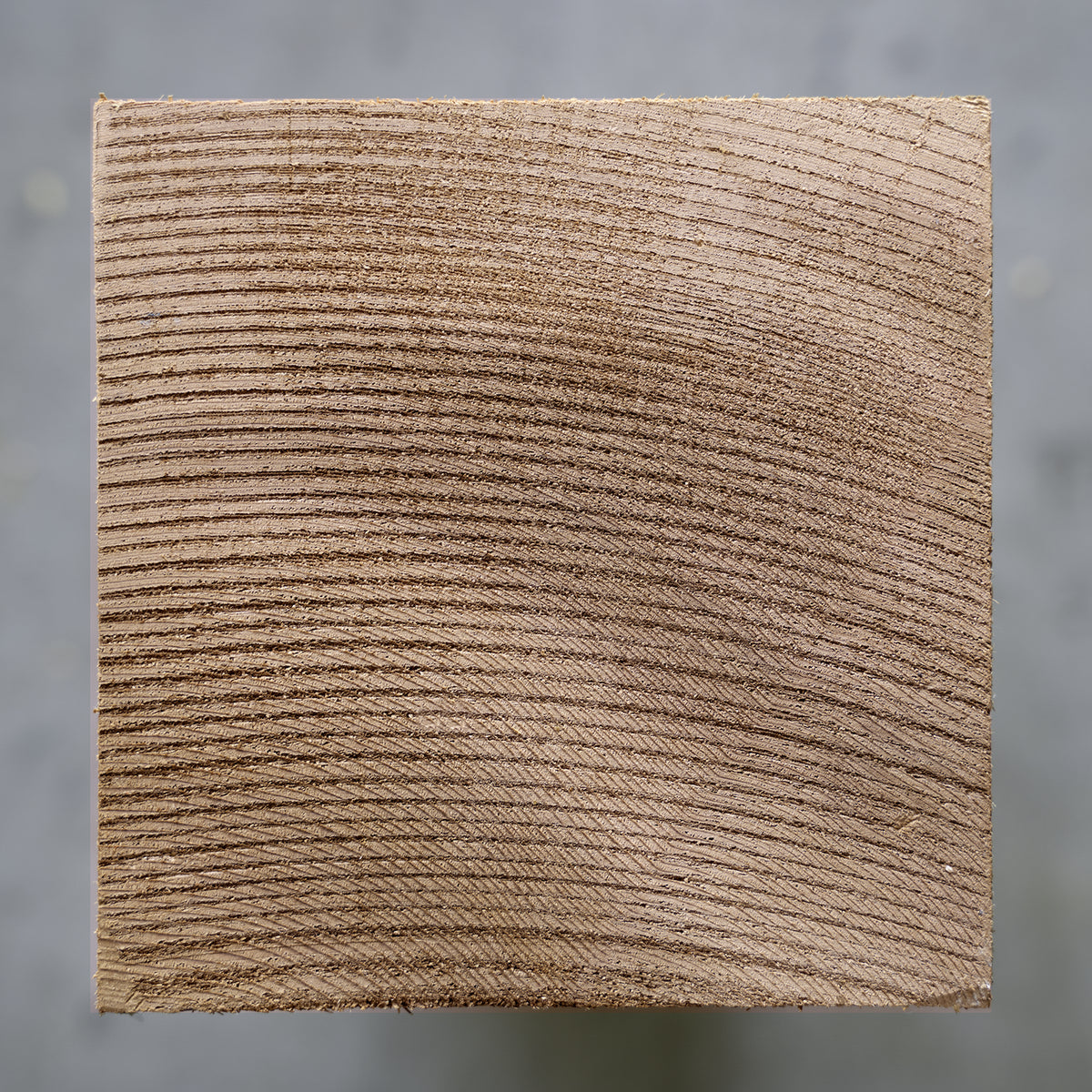
free of heart center
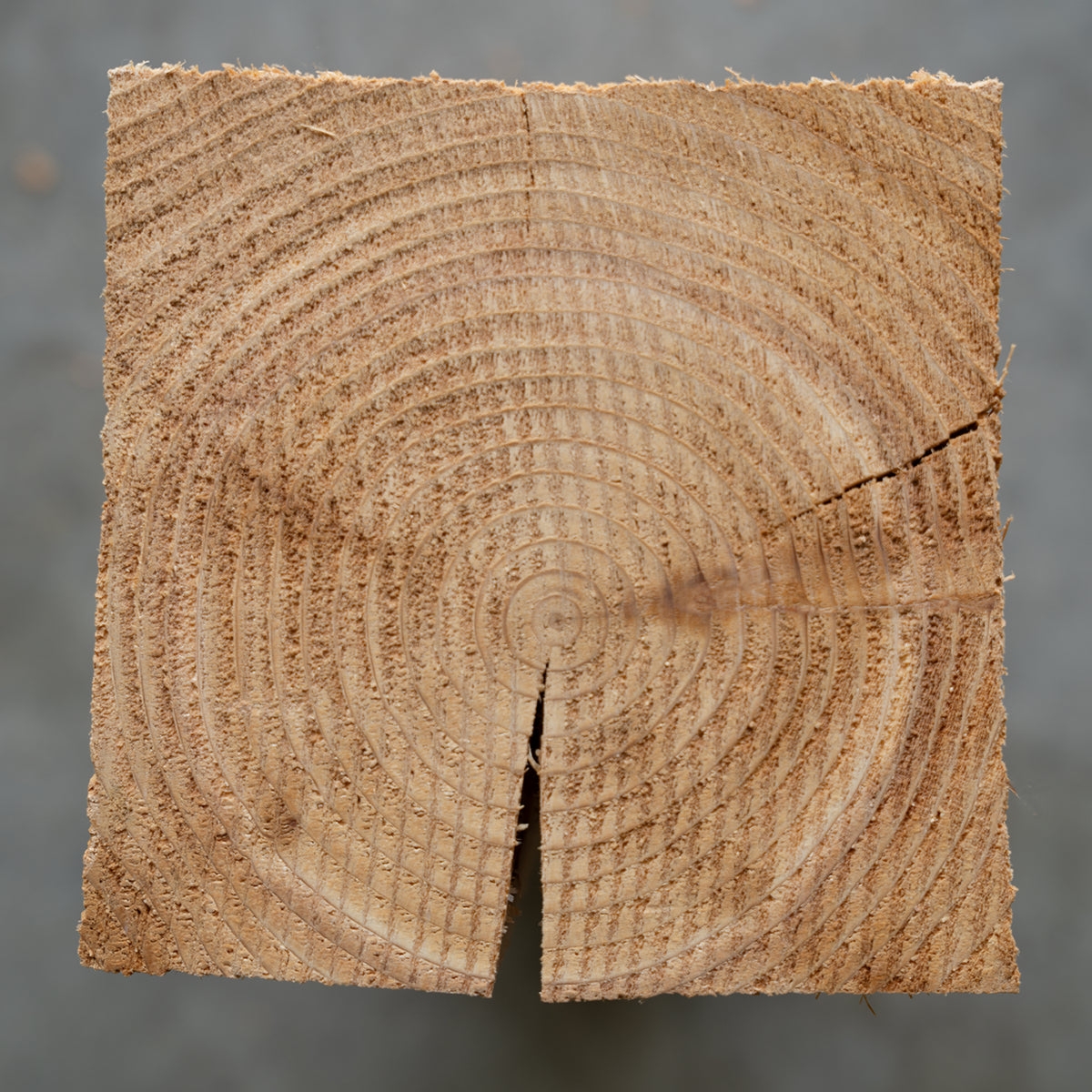
not free of heart center
What’s the difference between Smooth, Bandsawn and Hand-Hewn Texture?
When it comes to choosing the perfect wood texture for your project, we offer three popular options: bandsawn, smooth and hand-hewn. Each texture offers a distinct aesthetic and feel, making it essential to understand their differences before deciding.
Bandsawn Texture:
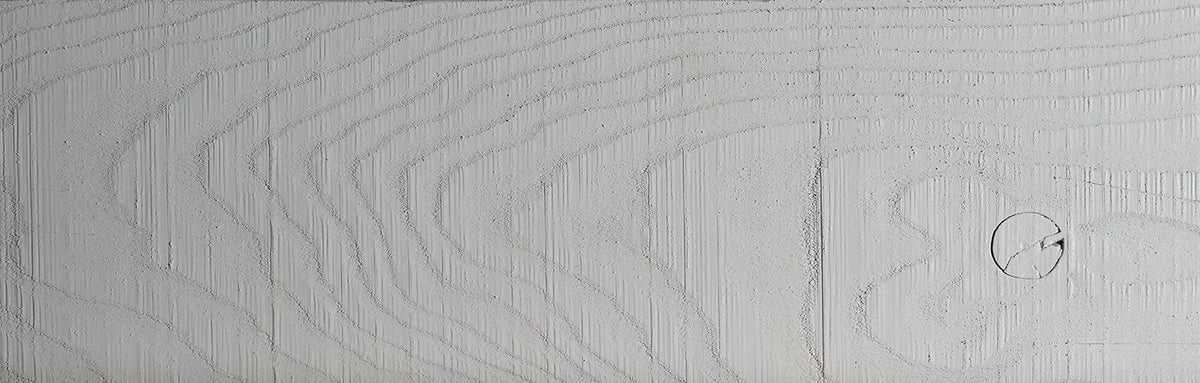
Bandsawn texture is the default option for all Tar River Timber Works products. The bandsaw is the primary tool of the wood wright – our first, and often final cuts happen with this age-old technology. More importantly, the distinctive sawtooth marks from a bandsaw are actually a telltale sign that your wood has been precisely and expertly crafted. Think about it this way: planers and sanders and jointers remove any trace of the cutting and shaping process. If a mistake or slip is made in the cutting process, that can be hidden by sanding or planing it out. There is a transparency with bandsaw marks – if you know how to look, they even reveal the story of the making process.
Smooth Texture:
A Smooth texture offers a sleek and refined appearance. Achieved through meticulous sanding, it results in a flat and even surface that showcases the natural beauty of the wood grain.

Hand Hewn Texture:
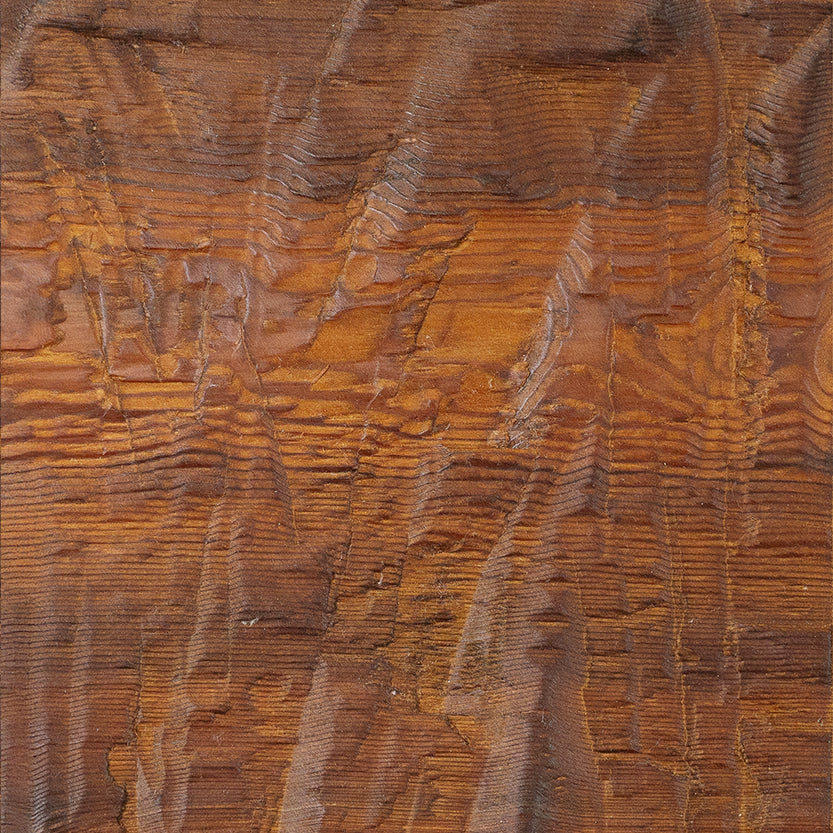
Hand-hewn is the coarsest and most textured finish we offer. This distinct surface treatment is characterized by visible hatchet marks, irregular facets, and a slightly uneven profile—hallmarks of traditional craftsmanship. Each piece is worked by hand, creating a finish that reflects the time-honored techniques of early timber framing. The result is a bold, expressive surface that brings character and authenticity to a project. This finish works especially well when a more rustic or historically inspired appearance is desired.

Note:
For exterior applications we recommend bandsawn or hand-hewn. The process of band sawing creates microscopic rips and tears, leaving the pores more open to receive the finish. The smoothing and burnishing process of sanding, on the other hand, tends to close and pack the pores, making it harder for the finish to soak in deeply.
Consider the overall design theme, intended effect, and personal preference when deciding between textures. All three options offer their own unique appeal and can contribute to the overall visual impact of your timber product.
What types of finishes do you offer?
No Finish
Left untreated, the wood will age naturally over time. Cedar will gradually develop a silvery-gray patina when exposed to the elements, while Teak will weather more slowly due to its natural oils. However, all wood, no matter how durable, must be finished in order to preserve it over the long term.
Natural Timber Oil
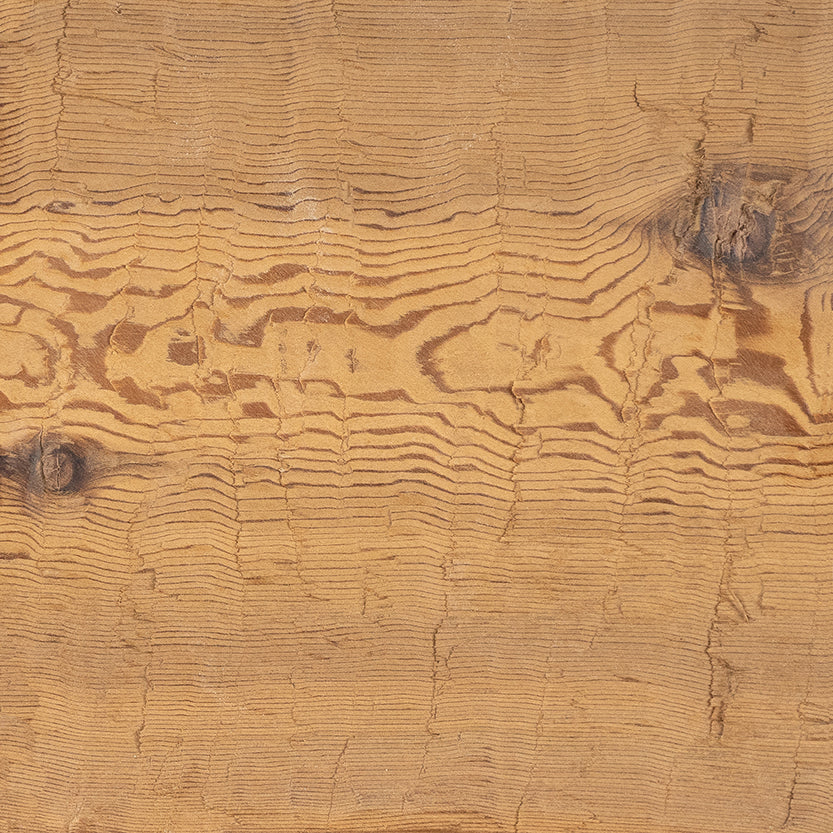
This penetrating oil enhances the wood’s natural color while providing basic protection against moisture and UV exposure. It deepens tone and brings out the grain without forming a surface film. Timber oil helps preserve the original warmth of the wood while allowing it to breathe. The resulting appearance is a deeper, richer version of the base material.